What drives Rotorua’s economy?
Rotorua is one of New Zealand’s most distinctive regional economies. The district contributed $5.4 billion of GDP in the year ended March 2024, according to RotoruaNZ, with a population estimated at 78,000 in mid-2025. It is home to Te Arawa and was New Zealand’s first officially bilingual city.
Four sectors dominate:
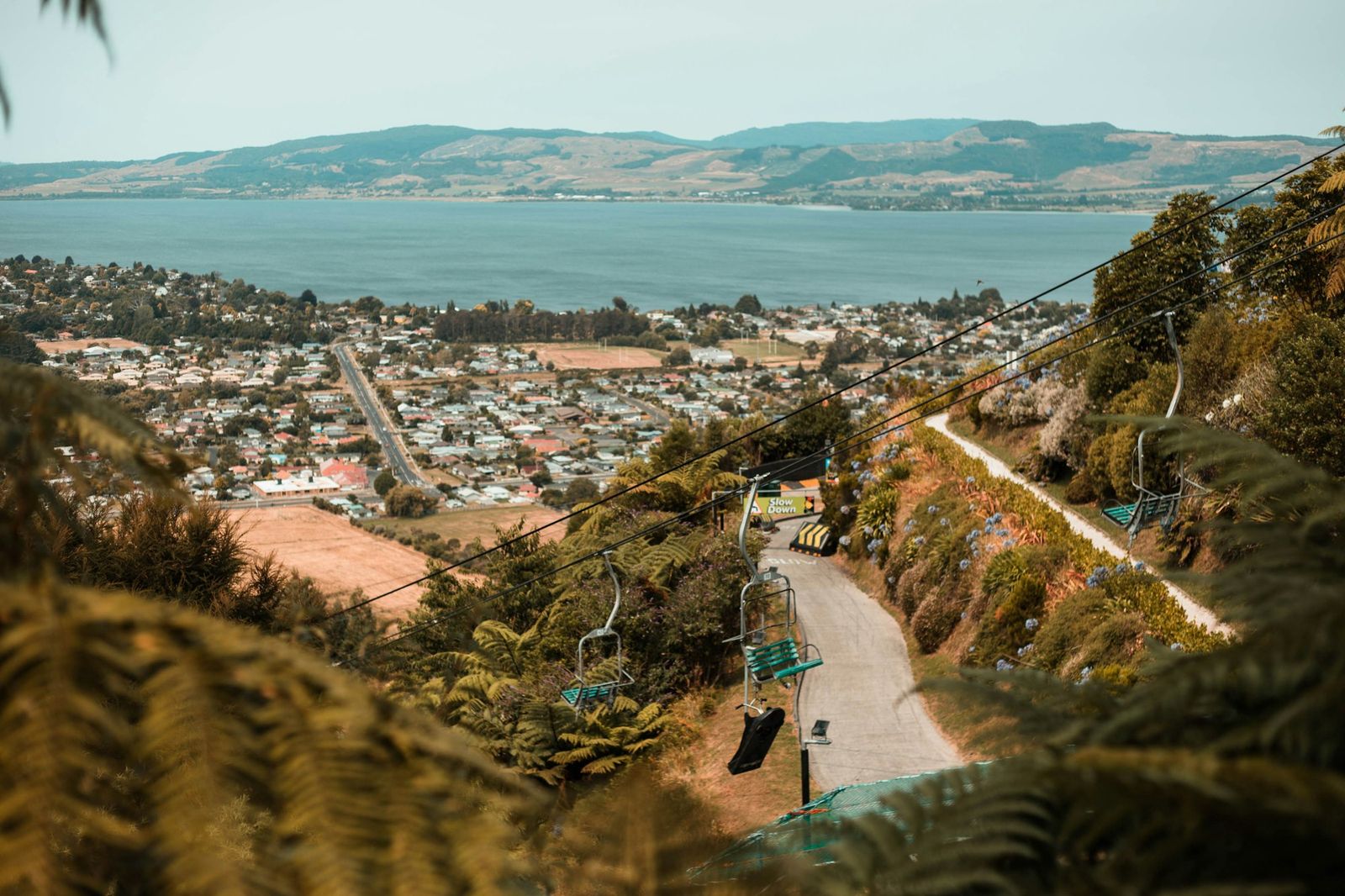
- Tourism. Geothermal attractions, cultural experiences, lakes, mountain biking in the Whakarewarewa Forest and the Skyline complex draw domestic and international visitors.
- Forestry and wood processing. Forest covers 41% of the district, supporting harvesting contractors, sawmills, processors and transport operators.
- Geothermal energy. The district’s geothermal resource supports power generation and industrial users.
- The Māori economy. Iwi and hapū organisations, trusts and Māori-owned businesses are significant employers and investors.
The wider Bay of Plenty has been among the North Island’s faster-growing regions through 2026, according to Infometrics, and tourism has been one of the brighter spots nationally, with international guest nights up 9.1% in the year to June 2026.
How Rotorua SMEs use finance
Visitor seasonality. Attractions, tour operators and accommodation providers spend on staff, maintenance and marketing before the school holidays and summer. Seasonal facilities cover the build-up.
Refreshing premises. Many motels, restaurants and attractions are ageing. Fit-out finance spreads the cost of refurbishment so it does not drain the operating account.
Wood processing investment. Processors and manufacturers invest in plant and capacity to capture more value from local logs. Expansion finance funds equipment and working capital for the ramp-up.
Contractor cash flow. Harvesting and trucking contractors carry fuel, maintenance and wages while forest owners pay on account, a need met by working capital finance.
Planning points for Rotorua owners
- Fuel costs. Forestry and transport businesses were hit by higher fuel prices in 2026. Review pricing and contracts.
- Log price cycles. Export log prices move with overseas demand. Build downside scenarios into plans.
- International visitor mix. Tourism operators should watch airline capacity and source markets.
Working with us in Rotorua
The process runs by phone and online. Complete a 60-second enquiry, then a lending specialist calls to discuss the purpose and options. Property-secured loans can use a home, rental, commercial property or general land as a first or second mortgage. Unsecured facilities are based on turnover and bank statements. Every loan is priced on the individual business.
How Rotorua SMEs typically use finance
| Purpose | Why it comes up here |
|---|---|
| Seasonal stock builds | Attractions, accommodation and hospitality operators prepare for school holidays and the summer peak. |
| Fit-outs & premises | Tourism and hospitality businesses refresh venues as international visitors return. |
| Expansion & new sites | Wood processing and manufacturing firms invest in plant and capacity. |
| Working capital | Forestry contractors and transport operators carry fuel and wage costs while waiting on payment. |
| Buying a business | Established tourism and service businesses change hands as owners retire. |
Rotorua: common questions
Do you lend to Rotorua tourism and accommodation businesses?
Yes. Attractions, tour operators, motels and hospitality businesses commonly use seasonal, fit-out and working capital facilities.
Can forestry contractors apply?
Yes. Established forestry harvesting, trucking and silviculture contractors can apply for working capital and other business-purpose funding.
Do you work with Māori-owned businesses?
Yes. Māori-owned companies, partnerships and trusts can apply for business finance. Security must be property that can be mortgaged, such as general land, homes, rentals or commercial property.