Finance for established New Zealand SMEs $20,000 to $1m

Call 09 875 4577

The complete list · Updated September 2026

Every type of small business loan in New Zealand, explained

New Zealand SMEs can choose from 26 main types of business finance, from unsecured loans and lines of credit to property-secured loans, invoice finance, equipment finance and bridging. The right one depends on what the money is for, what security you have and how fast you need it.

26
loan types in five groups
9
we arrange directly
7
more we can fund as a purpose
Carpenter cutting timber on a table saw in a joinery workshop
Established SMEs Workshops, cafes, farms, distributors and firms across Aotearoa

At a glance

Small business loan types compared

Security, speed and fit for every option, with an honest note on whether we can help. Pricing depends on the individual circumstances of each loan, so it is deliberately left out.

Loan type Typical security How fast Best for Can we help?
Core business loans
01 Unsecured business loans No property or asset security. A director's personal guarantee is common. Fast. Decisions can come within a day or two once bank statements are supplied. Trading businesses that need funds quickly and either have no property or would rather not put it up. We arrange this
02 Secured business loans A GSA over business assets registered on the PPSR, specific assets, or property. Moderate to slow. Bank approvals often need financial statements, forecasts and valuations. Established companies with a solid balance sheet, stock, plant or receivables, and time to go through a full credit process. Closest option we offer
03 Property-secured business loans A registered first or second mortgage over New Zealand property. Fast for secured lending. Some loans settle within 24 hours of approval. Owners with property equity who want a larger amount, a simpler assessment, or funding despite imperfect credit or missing financials. We arrange this
04 Second mortgage business loans A registered second mortgage over New Zealand property. Usually days rather than weeks, depending on valuation and first-lender consent. Owners with equity whose bank will not increase the first mortgage, or who want to keep business and home lending separate. We arrange this
05 Caveat-secured loans A caveat over a property title, sometimes with a mortgage to follow. Very fast, often within days. Owners who need funds very quickly for a short period and have clear equity in property. Closest option we offer
Cash flow and working capital facilities
06 Business lines of credit Often unsecured, based on turnover and bank statements. Larger limits may be secured. Fast. Unsecured limits can be approved quickly. Businesses with uneven cash flow, slow-paying debtors or regular timing gaps. We arrange this
07 Bank overdrafts Frequently a GSA, director guarantees and sometimes property. Depends on the bank relationship; new limits can take weeks. Established bank customers with steady trading and security the bank is comfortable with. Closest option we offer
08 Business credit cards Usually unsecured, with a personal guarantee. Quick to apply for, but limits are modest. Small, frequent expenses and tracking staff spending. Closest option we offer
09 Invoice finance and debtor finance The debtor ledger, usually with a GSA registered on the PPSR. Set-up takes a little time; after that, funds flow as invoices are raised. Business-to-business firms with creditworthy customers on 20th-of-the-month or longer terms: wholesalers, manufacturers, labour hire and contractors. Closest option we offer
10 Merchant cash advances Future card receivables; usually no property. Very fast, often within days. Cafes, restaurants, retailers and other businesses with high card volumes. Closest option we offer
11 Working capital loans Unsecured on turnover, or secured on property. Unsecured decisions are sometimes same day; property-secured loans can fund within 24 hours of approval in some cases. Businesses growing faster than their cash, or carrying slow debtors, seasonal costs or a large new contract. We arrange this
12 Seasonal finance Unsecured on turnover, secured on property, or a line of credit. Best arranged a few weeks before the costs land. Retail, hospitality, tourism, horticulture, viticulture and agricultural contractors. We arrange this
13 Trade and import finance The goods themselves, a GSA, or other security; bank products may need cash cover or property. Facility set-up takes time; individual drawdowns can then be quick. Importers, wholesalers and distributors buying stock from overseas suppliers. We can fund this purpose
Equipment, vehicle and asset finance
14 Equipment and asset finance The asset being financed. Often quick for standard, easily valued assets. Manufacturers, contractors, engineers, medical and hospitality businesses buying new or used equipment. We can fund this purpose
15 Vehicle finance The vehicle. Fast for standard vehicles bought from a dealer. Tradespeople, transport operators, couriers and any business that runs vehicles. We can fund this purpose
16 Hire purchase and leasing The asset, which the financier owns or holds security over. Quick for standard assets through suppliers and dealers. Businesses that want equipment or vehicles without a large upfront payment, or that upgrade regularly. Closest option we offer
Property, construction and bridging
17 Commercial property loans A first mortgage over the commercial property. Weeks, allowing for valuation, due diligence and legal work. Owner-occupiers buying their premises and investors buying tenanted commercial property. Closest option we offer
18 Construction and development finance A first mortgage over the site, plus guarantees and often presales. Slow to set up: feasibility, consents, contracts and QS reports come first. Property developers, builders and owners building their own premises. Closest option we offer
19 Bridging finance Property, often first or second mortgage. Fast; that is its purpose. Owners with a clear exit, such as an unconditional sale or an approved refinance. We can fund this purpose
Finance for particular situations
20 Startup business loans Usually the owners' property or personal guarantees. Varies widely with the source. Founders with a clear plan, personal equity to contribute and, ideally, property. We can fund this purpose
21 Franchise finance Property, business assets or guarantees, depending on the lender. Weeks for a new site; faster for an existing franchise with a trading record. New franchisees, multi-site operators adding locations and buyers of existing franchises. We can fund this purpose
22 Business acquisition finance Property, the business's assets, or both. Weeks, working in step with due diligence and the sale agreement. Owner-operators buying a business, firms buying a competitor, and partners buying each other out. We arrange this
23 Vendor finance Negotiated with the seller; often a GSA or guarantee. As fast as the parties can agree terms. Buyers bridging a gap between their funds and the price, and sellers who want a smoother handover. We can fund this purpose
24 IRD and tax debt funding Often property, because many lenders will not fund tax arrears unsecured. Can be fast when the security is straightforward. Otherwise viable businesses that have fallen behind with IRD after a hard period. We arrange this
25 Refinancing and debt consolidation Unsecured, or property-secured for larger or more complex positions. Depends on payout figures from existing lenders; often days to a couple of weeks. Businesses juggling several short-term loans, card balances, supplier arrears or tax debt. We arrange this
26 Government-backed schemes and grants Not applicable for grants; co-funding usually requires the business's own contribution. Slow: applications, eligibility checks and funding rounds. Businesses investing in capability, R&D, exporting, primary-sector projects or Māori enterprise. Closest option we offer
  • We arrange this A product we arrange directly.
  • We can fund this purpose We don't offer this exact structure, but our loans can pay for the same thing.
  • Closest option we offer Not something we arrange; the note explains the nearest alternative.

Group 1 of 5

Core business loans

A lump sum repaid over an agreed period. What separates these loans is what the lender relies on: the trading record alone, the assets of the business, or property.

Heritage commercial buildings on an Auckland street corner under a clear blue sky

Unsecured business loans

A lump sum based on turnover and bank statements, with no property or asset pledged.

An unsecured business loan is a lump sum lent on the strength of the business's trading rather than a specific asset. The lender looks mainly at turnover, bank statements and conduct, and usually asks the directors for a personal guarantee instead of a mortgage.

Who it suits
Trading businesses that need funds quickly and either have no property or would rather not put it up.
Typical security
No property or asset security. A director's personal guarantee is common.
How fast
Fast. Decisions can come within a day or two once bank statements are supplied.

Pros

  • No property at risk
  • Light paperwork, often bank statements only
  • Quick to arrange

Cons

  • Usually priced higher than secured lending
  • Amount is capped by turnover
  • Repayments are often weekly or fortnightly

We arrange this Can we help?

Yes. We arrange unsecured business loans for businesses usually trading six months or more. The amount is based on turnover and bank statements, weaker credit is considered, and decisions are sometimes made the same day.

Secured business loans

A term loan backed by business assets, usually through a general security agreement.

A secured business loan is backed by assets the lender can call on if repayments stop. Banks commonly take a general security agreement (GSA) over the company's assets, registered on the Personal Property Securities Register (PPSR), often alongside director guarantees and sometimes property.

Who it suits
Established companies with a solid balance sheet, stock, plant or receivables, and time to go through a full credit process.
Typical security
A GSA over business assets registered on the PPSR, specific assets, or property.
How fast
Moderate to slow. Bank approvals often need financial statements, forecasts and valuations.

Pros

  • Larger amounts than unsecured lending
  • Generally sharper pricing
  • Can be structured over a longer period

Cons

  • Financials and forecasts usually required
  • Covenants and reporting obligations
  • A GSA can limit other borrowing

Closest option we offer Can we help?

Not on business assets alone. Our secured lending is secured on New Zealand property. If you or a supporting party own property, a property-secured loan is usually the simpler route and needs no financials for the first assessment.

Property-secured business loans

A business loan secured by a mortgage over a home, rental, commercial property or land.

A property-secured business loan uses equity in New Zealand real estate as security for a business purpose. The property can be the owner's home, a rental, a commercial building or land, and it can belong to the borrower or a supporting party such as a family trust.

Who it suits
Owners with property equity who want a larger amount, a simpler assessment, or funding despite imperfect credit or missing financials.
Typical security
A registered first or second mortgage over New Zealand property.
How fast
Fast for secured lending. Some loans settle within 24 hours of approval.

Pros

  • Larger amounts than unsecured lending
  • Equity does most of the work, not the latest accounts
  • Credit history is weighed alongside the security

Cons

  • Property is at risk if the loan is not repaid
  • Legal work and a valuation may be needed
  • Other owners of the property must agree

We arrange this Can we help?

Yes, this is our core product. Loans from $20,000 to $1m secured on New Zealand property, as a first or second mortgage, even where a mortgage already exists. No financials or tax returns are needed for the initial assessment, bad credit, defaults and arrears are considered case by case, and funding is possible within 24 hours of approval in some cases.

Second mortgage business loans

Business funding secured behind the existing home loan, so the first mortgage stays untouched.

A second mortgage business loan sits behind an existing first mortgage on the same property. The current home loan or commercial loan stays where it is, and the new lender takes the second-ranking position for the business funding. The first mortgagee's consent is usually part of the process.

Who it suits
Owners with equity whose bank will not increase the first mortgage, or who want to keep business and home lending separate.
Typical security
A registered second mortgage over New Zealand property.
How fast
Usually days rather than weeks, depending on valuation and first-lender consent.

Pros

  • Leaves the existing mortgage and its pricing alone
  • Unlocks equity the main bank will not lend against
  • Keeps business debt separate

Cons

  • Priced higher than a first mortgage
  • Needs enough equity above the first loan
  • The first lender may need to consent

We arrange this Can we help?

Yes. Our property-secured loans can be written as a second mortgage, even where a mortgage already exists, from $20,000 to $1m.

Caveat-secured loans

A short, fast loan protected by a caveat on a property title rather than a registered mortgage.

A caveat loan is protected by a caveat lodged on the property title, which warns anyone dealing with the land that the lender claims an interest. It is quicker to put in place than a full mortgage but gives the lender weaker protection, so it tends to be short and priced accordingly.

Who it suits
Owners who need funds very quickly for a short period and have clear equity in property.
Typical security
A caveat over a property title, sometimes with a mortgage to follow.
How fast
Very fast, often within days.

Pros

  • Speed
  • Minimal documentation
  • No change to the existing mortgage

Cons

  • Usually expensive for the lender's weaker position
  • Designed to be short
  • Some first mortgagees object to caveats

Closest option we offer Can we help?

We arrange loans secured by a registered first or second mortgage rather than by caveat. For many owners a second mortgage gives the same speed benefit with a clearer structure, and some are funded within 24 hours of approval.

Group 2 of 5

Cash flow and working capital facilities

Facilities built for the gap between paying out and getting paid. Some are revolving, some are tied to invoices or card takings, and some are short loans for a known peak.

Retro-styled cafe with blue tables and chairs in Petone, Lower Hutt

Business lines of credit

A limit you draw, repay and redraw as cash flow moves, paying only on what you use.

A business line of credit gives the business an approved limit it can draw on whenever it needs to, repay when customers pay, and draw again. It works like a flexible buffer for wages, supplier runs, GST and PAYE rather than a one-off lump sum.

Who it suits
Businesses with uneven cash flow, slow-paying debtors or regular timing gaps.
Typical security
Often unsecured, based on turnover and bank statements. Larger limits may be secured.
How fast
Fast. Unsecured limits can be approved quickly.

Pros

  • Draw only what you need
  • Reusable once repaid
  • Good fit for timing gaps

Cons

  • Easy to leave permanently drawn
  • Limits can be reviewed
  • Not suited to long-term assets

We arrange this Can we help?

Yes. We arrange lines of credit for businesses usually trading six months or more, sized on turnover and bank statements, with weaker credit considered.

Bank overdrafts

A negative-balance limit on the business transaction account, reviewed by the bank.

A business overdraft lets the transaction account go below zero up to an agreed limit. It is the classic bank tool for day-to-day cash flow and is usually reviewed each year, often with security such as a GSA or a mortgage over the owner's home.

Who it suits
Established bank customers with steady trading and security the bank is comfortable with.
Typical security
Frequently a GSA, director guarantees and sometimes property.
How fast
Depends on the bank relationship; new limits can take weeks.

Pros

  • Built into the everyday account
  • Interest only on the overdrawn balance
  • Convenient for small timing gaps

Cons

  • The bank can reduce or call the limit
  • Annual reviews and reporting
  • Hard to obtain for newer or credit-impaired businesses

Closest option we offer Can we help?

We are not a bank and do not offer overdrafts. A business line of credit does a similar job, drawn and repaid as needed, and is assessed on turnover and bank statements.

Business credit cards

A card limit for everyday business spending with a short interest-free window.

A business credit card gives a revolving limit for purchases such as fuel, subscriptions, travel and small supplier bills. Paid in full each cycle, it acts as short-term float; carried over, it is one of the more expensive forms of business debt.

Who it suits
Small, frequent expenses and tracking staff spending.
Typical security
Usually unsecured, with a personal guarantee.
How fast
Quick to apply for, but limits are modest.

Pros

  • Convenient for small purchases
  • Easy expense tracking
  • Short interest-free period if cleared

Cons

  • Low limits for bigger needs
  • Expensive if balances roll over
  • Several cards can quietly pile up

Closest option we offer Can we help?

We do not issue cards. If card balances have built up, a refinance through an unsecured or property-secured loan can consolidate them into one repayment.

Invoice finance and debtor finance

An advance against unpaid customer invoices, released as you bill.

Invoice finance advances a share of the value of unpaid invoices so the business does not wait for customers to pay. With factoring the lender may collect from customers; with invoice discounting the business keeps collecting and the arrangement is often confidential. Facilities tend to grow with sales.

Who it suits
Business-to-business firms with creditworthy customers on 20th-of-the-month or longer terms: wholesalers, manufacturers, labour hire and contractors.
Typical security
The debtor ledger, usually with a GSA registered on the PPSR.
How fast
Set-up takes a little time; after that, funds flow as invoices are raised.

Pros

  • Scales with sales
  • Turns invoices into cash quickly
  • No property required

Cons

  • Only works for business-to-business invoices
  • Ongoing reporting and fees
  • Customers may know a funder is involved under factoring

Closest option we offer Can we help?

We do not arrange invoice finance itself. For the same debtor gap, many owners use an unsecured line of credit or a property-secured working capital loan, which does not depend on individual invoices.

Merchant cash advances

An advance repaid as a share of future card sales.

A merchant cash advance gives the business a lump sum that is repaid automatically from a share of its future card or EFTPOS takings. Repayments rise and fall with sales, and the cost is usually set as a fixed amount on top of the advance rather than as interest.

Who it suits
Cafes, restaurants, retailers and other businesses with high card volumes.
Typical security
Future card receivables; usually no property.
How fast
Very fast, often within days.

Pros

  • Repayments flex with sales
  • Minimal paperwork
  • Quick

Cons

  • Often one of the dearest forms of finance
  • Harder to compare with a normal loan
  • Takes a slice of every day's takings

Closest option we offer Can we help?

We do not arrange merchant cash advances. For card-heavy businesses trading six months or more, an unsecured loan sized on turnover and bank statements is often the closer, clearer alternative.

Working capital loans

A loan to fund wages, stock, GST and supplier runs while customers pay.

A working capital loan is defined by its purpose rather than its structure: funding the gap between paying out and collecting in. It can be unsecured, secured on property, or a line of credit, and it is usually sized to the cash conversion cycle of the business.

Who it suits
Businesses growing faster than their cash, or carrying slow debtors, seasonal costs or a large new contract.
Typical security
Unsecured on turnover, or secured on property.
How fast
Unsecured decisions are sometimes same day; property-secured loans can fund within 24 hours of approval in some cases.

Pros

  • Matches funding to a real cash gap
  • Flexible structure
  • Protects supplier and staff relationships

Cons

  • Can mask a pricing or collections problem
  • Needs a clear repayment source
  • Unsecured amounts are capped by turnover

We arrange this Can we help?

Yes. Working capital is one of the most common reasons established SMEs come to us, using either an unsecured facility or a property-secured loan from $20,000 to $1m.

Seasonal finance

Short funding for stock, staff and inputs ahead of a busy season.

Seasonal finance covers the costs a business carries before its peak: stock for summer or Christmas, orchard and vineyard inputs, tourism staffing ahead of winter or summer. It is repaid as seasonal revenue arrives.

Who it suits
Retail, hospitality, tourism, horticulture, viticulture and agricultural contractors.
Typical security
Unsecured on turnover, secured on property, or a line of credit.
How fast
Best arranged a few weeks before the costs land.

Pros

  • Lets you buy stock and hire early
  • Repaid from the season it funds
  • Can be reused each year with a line of credit

Cons

  • A poor season stretches repayment
  • Timing matters
  • Needs a realistic sales forecast

We arrange this Can we help?

Yes, as a purpose. Established businesses use our lines of credit, unsecured loans or property-secured loans to fund stock and staff ahead of the peak.

Trade and import finance

Funding to pay overseas suppliers before goods land and sell.

Trade finance pays offshore suppliers when they need to be paid, often at order or shipment, and is repaid once the goods arrive and are sold. Banks also offer letters of credit and documentary collections that give both sides assurance on large international orders.

Who it suits
Importers, wholesalers and distributors buying stock from overseas suppliers.
Typical security
The goods themselves, a GSA, or other security; bank products may need cash cover or property.
How fast
Facility set-up takes time; individual drawdowns can then be quick.

Pros

  • Protects supplier relationships and discounts
  • Matches funding to each shipment
  • Can support bigger orders

Cons

  • Specialist documentation
  • Exchange-rate exposure remains with the business
  • Shipping delays stretch the funding period

We can fund this purpose Can we help?

We do not offer specialist letters of credit. We can fund stock purchases as working capital through an unsecured facility or a property-secured loan, which many importers use to pay suppliers.

Group 3 of 5

Equipment, vehicle and asset finance

Finance tied to a specific asset, where the machine, vehicle or fit-out itself is usually the security and repayments are matched to its working life.

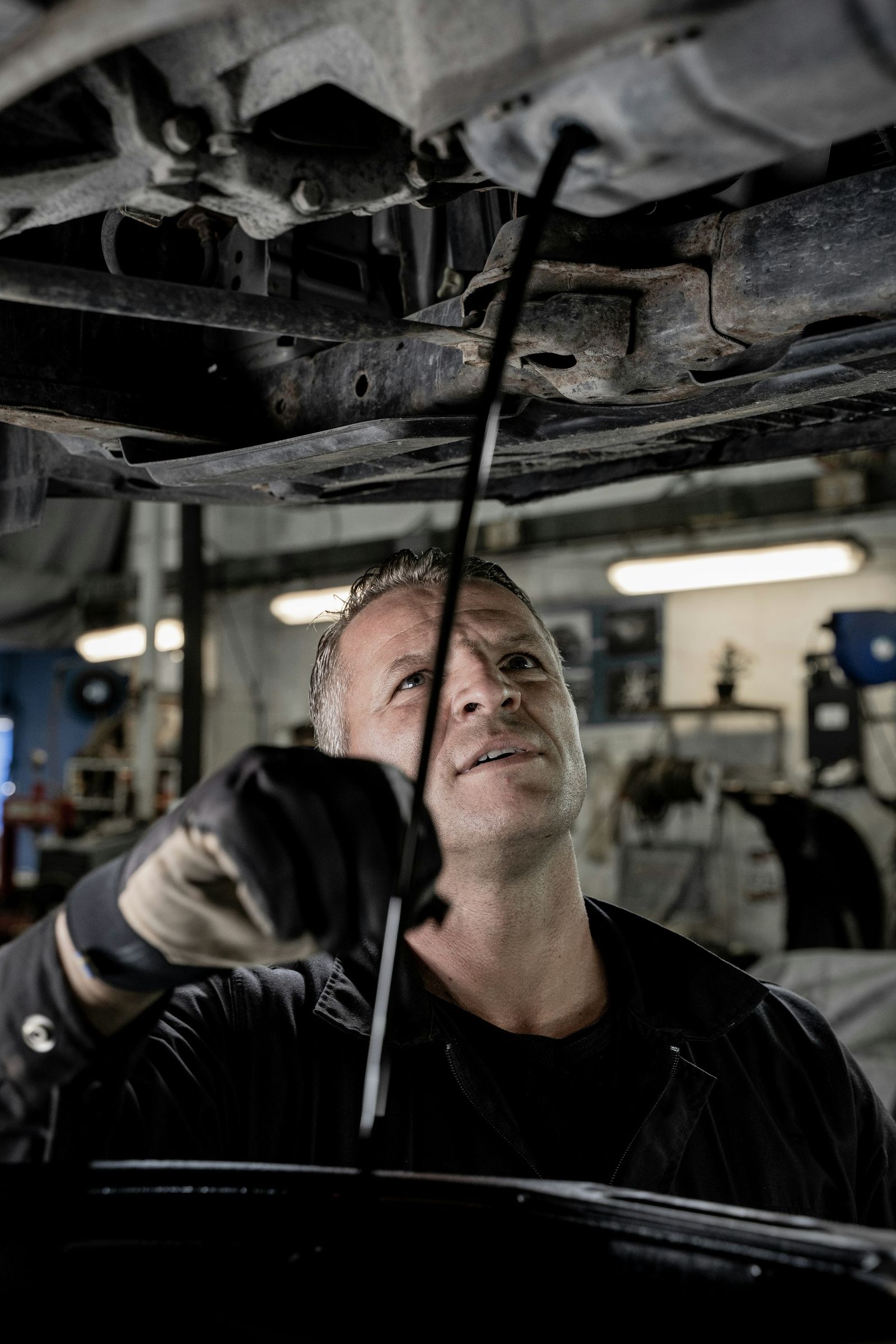
Mechanic in protective gloves servicing a car in a busy workshop

Equipment and asset finance

A loan secured over the plant or machinery it pays for.

Equipment finance pays for plant, machinery, technology or tools, with the asset itself registered as security on the PPSR. Repayments are set over roughly the working life of the equipment so it pays for itself as it earns.

Who it suits
Manufacturers, contractors, engineers, medical and hospitality businesses buying new or used equipment.
Typical security
The asset being financed.
How fast
Often quick for standard, easily valued assets.

Pros

  • Preserves cash for operations
  • The asset secures its own finance
  • Can be timed around the Investment Boost deduction

Cons

  • Specialised or used equipment can be harder to fund
  • A deposit may be needed
  • Tied to one asset

We can fund this purpose Can we help?

We do not take the equipment itself as security, but the purchase is a valid business purpose. Owners use unsecured loans or property-secured loans to buy equipment outright, especially for used, specialised or mixed purchases.

Vehicle finance

Finance for utes, vans, trucks and fleet vehicles, secured on the vehicle.

Business vehicle finance funds work utes, vans, trucks and fleet cars, with the vehicle registered as security. It is often written as a chattel loan or hire purchase, and dealers and specialist lenders offer it at the point of sale.

Who it suits
Tradespeople, transport operators, couriers and any business that runs vehicles.
Typical security
The vehicle.
How fast
Fast for standard vehicles bought from a dealer.

Pros

  • Easy to arrange at purchase
  • The vehicle is the security
  • Predictable repayments

Cons

  • Older or modified vehicles can be harder to fund
  • Balloon payments can surprise
  • Separate loans for each vehicle add up

We can fund this purpose Can we help?

We do not write dealer vehicle finance. A property-secured or unsecured loan can fund vehicles as a business purpose, including several at once or vehicles a dealer lender will not take.

Hire purchase and leasing

Pay for an asset over time and own it at the end, or rent it for its working life.

Under hire purchase the business pays instalments and owns the asset once the final payment is made. A finance lease works similarly but ownership may not transfer; an operating lease is closer to renting, with the asset returned at the end. The right choice depends on whether you want to own the asset and how you want it treated for tax.

Who it suits
Businesses that want equipment or vehicles without a large upfront payment, or that upgrade regularly.
Typical security
The asset, which the financier owns or holds security over.
How fast
Quick for standard assets through suppliers and dealers.

Pros

  • Little or no upfront cost
  • Predictable payments
  • Operating leases make upgrades simple

Cons

  • You may never own a leased asset
  • Early exit can be costly
  • Tax treatment differs between structures, so check with your accountant

Closest option we offer Can we help?

We do not arrange hire purchase or leases. If owning the asset outright makes more sense, an unsecured or property-secured loan can fund the purchase.

Group 4 of 5

Property, construction and bridging

Lending for buying premises, building or developing, and bridging the gap between one property event and the next.

Construction crane above a new apartment building in Grey Lynn, Auckland, at sunrise

Commercial property loans

A mortgage to buy or refinance business premises.

A commercial property loan finances the purchase or refinance of a warehouse, shop, office or industrial unit, secured on that property. Banks look at the value, the tenancy or the owner-occupier's trading, and usually lend a lower proportion of value than on a home.

Who it suits
Owner-occupiers buying their premises and investors buying tenanted commercial property.
Typical security
A first mortgage over the commercial property.
How fast
Weeks, allowing for valuation, due diligence and legal work.

Pros

  • Builds equity in the business's home
  • Rent becomes an investment
  • Long-term structure is available from banks

Cons

  • Sizeable deposit usually needed
  • Valuation and legal costs
  • Ties capital into property

Closest option we offer Can we help?

Long-term commercial mortgages to buy premises are usually a bank product and not something we arrange. What we can do is lend $20,000 to $1m for a business purpose against property you already own, including commercial property.

Construction and development finance

Staged funding to build or subdivide, drawn down as work progresses.

Construction and development finance pays for a build or subdivision in stages, with each drawdown released after a quantity surveyor confirms progress. Lenders look closely at the feasibility, presales, the builder and the developer's experience.

Who it suits
Property developers, builders and owners building their own premises.
Typical security
A first mortgage over the site, plus guarantees and often presales.
How fast
Slow to set up: feasibility, consents, contracts and QS reports come first.

Pros

  • Funds released as value is created
  • Can cover land and build
  • Structured for the project

Cons

  • Heavy documentation
  • Cost overruns and delays hit the borrower
  • Specialist lenders only

Closest option we offer Can we help?

We do not arrange construction or development funding. For fit-outs, refurbishments and premises improvements for an operating business, see our fit-out page.

Bridging finance

Short-term funding secured on property until a sale, settlement or refinance completes.

Bridging finance covers a gap between one event and another: buying before selling, settling a purchase before long-term finance is ready, or meeting a deadline while a property sale goes through. It is secured on property and repaid from the sale or refinance it is waiting on.

Who it suits
Owners with a clear exit, such as an unconditional sale or an approved refinance.
Typical security
Property, often first or second mortgage.
How fast
Fast; that is its purpose.

Pros

  • Keeps a deal alive
  • Quick
  • Repaid in one step from the exit

Cons

  • Only as good as the exit
  • Priced for the short period
  • Two properties may be carried at once

We can fund this purpose Can we help?

Where the purpose is business-related, yes. A property-secured loan can bridge a business funding gap for the short to medium term, secured on New Zealand property as a first or second mortgage.

Group 5 of 5

Finance for particular situations

Starting, buying, franchising, clearing tax debt, tidying up existing borrowing, and what the government currently offers.

Four business people discussing financial charts around a meeting table

Startup business loans

Funding for a business with little or no trading history.

Start-up finance is hard to find because there are no bank statements or accounts to assess. Most new businesses are funded by the owners' savings, family, a bank loan secured on the owners' home, grants or equity investors, and only later by trading-based lending.

Who it suits
Founders with a clear plan, personal equity to contribute and, ideally, property.
Typical security
Usually the owners' property or personal guarantees.
How fast
Varies widely with the source.

Pros

  • Gets the business open
  • Property security can replace a trading history
  • Keeps full ownership, unlike equity

Cons

  • Personal assets are usually on the line
  • Limited choice of lenders
  • Unsecured options generally need trading history

We can fund this purpose Can we help?

Our unsecured loans usually need six months of trading. A property-secured loan needs no financials or tax returns for the initial assessment, so a business with little history can still talk to us if there is New Zealand property to offer as security.

Franchise finance

Funding to buy into a franchise, fit out a site or buy an existing franchise.

Franchise finance covers the franchise fee, fit-out, equipment and opening working capital for a new site, or the purchase price of an established franchise. Lenders take comfort from a proven system, but still assess the franchisee's contribution and the site's numbers.

Who it suits
New franchisees, multi-site operators adding locations and buyers of existing franchises.
Typical security
Property, business assets or guarantees, depending on the lender.
How fast
Weeks for a new site; faster for an existing franchise with a trading record.

Pros

  • Proven model can help the assessment
  • Can bundle fit-out and working capital
  • Existing franchises come with trading history

Cons

  • Franchisor approval adds a step
  • Fit-out costs can run over
  • New sites have no trading record

We can fund this purpose Can we help?

Yes, as a purpose. A property-secured loan can fund a franchise purchase, fit-out or additional site; an existing franchise trading six months or more may also suit an unsecured facility.

Business acquisition finance

Funding to buy an existing business, a competitor or a partner's share.

Acquisition finance helps pay the purchase price of an established business, often combined with the buyer's own contribution and sometimes vendor finance. Lenders look at the target's profits, the buyer's experience and the security available.

Who it suits
Owner-operators buying a business, firms buying a competitor, and partners buying each other out.
Typical security
Property, the business's assets, or both.
How fast
Weeks, working in step with due diligence and the sale agreement.

Pros

  • Buys an existing income stream
  • Can include working capital for the handover
  • Keeps the deal on your timetable

Cons

  • Goodwill is hard for lenders to value
  • Due diligence takes time
  • Debt servicing starts from day one

We arrange this Can we help?

Yes. Buying a business, and partner buyouts and succession, are among the purposes we fund most, usually with a property-secured loan from $20,000 to $1m.

Vendor finance

Part of the purchase price left owing to the seller and paid over time.

With vendor finance the seller agrees to receive part of the price later, sometimes linked to the business's performance through an earn-out. It shows the seller's confidence in the business and reduces what the buyer must borrow upfront.

Who it suits
Buyers bridging a gap between their funds and the price, and sellers who want a smoother handover.
Typical security
Negotiated with the seller; often a GSA or guarantee.
How fast
As fast as the parties can agree terms.

Pros

  • Reduces upfront borrowing
  • Keeps the seller invested in a good handover
  • Flexible terms

Cons

  • Seller keeps a claim on the business
  • Can complicate other lending
  • Disputes can arise over earn-out targets

We can fund this purpose Can we help?

Vendor finance is agreed with the seller, not with us, but it often sits alongside a property-secured loan for the rest of the price.

IRD and tax debt funding

A loan that pays out GST, PAYE or income tax arrears owed to Inland Revenue.

Tax debt funding pays Inland Revenue in full or clears overdue GST, PAYE, provisional or income tax so penalties and use-of-money interest stop compounding. The alternative is an instalment arrangement agreed with IRD through myIR, which needs to be affordable alongside current obligations.

Who it suits
Otherwise viable businesses that have fallen behind with IRD after a hard period.
Typical security
Often property, because many lenders will not fund tax arrears unsecured.
How fast
Can be fast when the security is straightforward.

Pros

  • Stops IRD penalties and interest building
  • Removes the risk of enforcement action
  • One repayment instead of an instalment plan

Cons

  • Converts tax debt into loan debt
  • Needs a plan to stay current afterwards
  • Unsecured options are limited

We arrange this Can we help?

Yes. With a property-secured loan, IRD debt can be refinanced or paid out, and no financials or tax returns are needed for the initial assessment.

Refinancing and debt consolidation

Replace several loans, cards or arrears with one facility.

Refinancing replaces existing business debt with a new facility, and consolidation rolls several debts into one. The aim is usually a single repayment, a structure that suits the cash flow better, or removing a lender that no longer fits.

Who it suits
Businesses juggling several short-term loans, card balances, supplier arrears or tax debt.
Typical security
Unsecured, or property-secured for larger or more complex positions.
How fast
Depends on payout figures from existing lenders; often days to a couple of weeks.

Pros

  • One repayment and one relationship
  • Can free up weekly cash flow
  • A chance to reset the structure

Cons

  • Stretching debt can raise total cost
  • Break costs on existing loans
  • Only helps if the underlying cause is fixed

We arrange this Can we help?

Yes. Refinance and consolidation is one of our ten loan purposes, using unsecured facilities or property-secured loans from $20,000 to $1m.

Government-backed schemes and grants

Current government support is grants, co-funding and tax incentives, not general business loans.

New Zealand's pandemic-era lending schemes have closed. The Business Finance Guarantee Scheme ended on 30 June 2021, and Inland Revenue's Small Business Cashflow Scheme is closed to applications, with its remaining five-year loans expiring before 30 June 2026. Current help is mostly co-funding and grants: Management Capability Development Funding through the Regional Business Partner Network, Innovation Services R&D grants administered by MBIE, sector funding from MPI and the Māori Development Fund from Te Puni Kōkiri, plus the Investment Boost tax deduction for new assets.

Who it suits
Businesses investing in capability, R&D, exporting, primary-sector projects or Māori enterprise.
Typical security
Not applicable for grants; co-funding usually requires the business's own contribution.
How fast
Slow: applications, eligibility checks and funding rounds.

Pros

  • Grants do not need repaying
  • Co-funding stretches your own spend
  • Investment Boost improves after-tax cash flow

Cons

  • Narrow eligibility
  • Usually covers only part of a cost
  • Not a source of working capital

Closest option we offer Can we help?

We are not a government scheme. Where grants cover only part of a project, or the timing does not work, an unsecured or property-secured loan can fund the rest.

Narrowing it down

How do you choose between them?

Start with three questions. The answers rule most options in or out before pricing is even discussed.

  1. What is the money for? A timing gap suits a line of credit or working capital loan. A one-off purchase, acquisition or refinance suits a lump sum. A specific machine or vehicle may suit asset finance.
  2. What security can you offer? Property equity opens the widest choice and the largest amounts. Without property, trading history and bank statements decide what is available.
  3. How quickly do you need it? Unsecured decisions can come the same day; bank facilities, commercial mortgages and development finance take weeks. A property-secured loan sits in between and can fund within 24 hours of approval in some cases.

Questions about business loan types

How many types of small business loans are there in New Zealand?

This page covers 26 distinct types of small business finance used in New Zealand, in five groups: core business loans, cash flow facilities, equipment and vehicle finance, property and construction lending, and finance for particular situations such as buying a business, clearing IRD debt or starting out. Many lenders use different names for the same thing, so it helps to compare them on security, speed and purpose rather than on name.

What is the easiest type of business loan to get?

For a business trading six months or more, an unsecured loan or line of credit assessed on turnover and bank statements usually involves the least paperwork. For an owner with property equity, a property-secured loan needs no financials or tax returns for the initial assessment and is often the most forgiving of an imperfect credit history.

Can I get a small business loan with bad credit?

Often, yes. With a property-secured loan, bad credit, defaults and arrears are considered case by case because the property carries much of the risk. Unsecured lenders that focus on current bank statements may also consider weaker credit where recent trading is sound.

Are there government-backed business loans in New Zealand now?

Not for general small business borrowing. The Business Finance Guarantee Scheme ended on 30 June 2021 and Inland Revenue's Small Business Cashflow Scheme is closed to applications. Current government support is mainly co-funding and grants, such as Management Capability Development Funding through the Regional Business Partner Network, R&D grants administered by MBIE, and the Investment Boost tax deduction for new assets.

What is the difference between secured and unsecured business loans?

A secured loan is backed by an asset the lender can rely on, such as property, equipment or a general security agreement over the business. An unsecured loan relies on the business's trading, usually with a director's guarantee. Secured lending generally allows larger amounts and sharper pricing; unsecured lending is faster and puts no property at risk.

Can I use my house as security for a business loan?

Yes. A home, rental, commercial property or land in New Zealand can secure a business loan as a first or second mortgage, even if a mortgage already exists. The property can belong to the borrower or a supporting party. We arrange these loans from $20,000 to $1m for business purposes.

Which type of loan is best for paying off IRD debt?

Many lenders will not fund tax arrears unsecured, so property-secured loans are the usual route when an instalment arrangement with Inland Revenue is not workable. A property-secured loan can refinance or pay out IRD debt, stopping further penalties and interest from building.

Does comparing loan types with you affect my credit score?

No. An enquiry is free, takes about 60 seconds and does not affect your credit score. A lending specialist calls back to talk through which of these options fits the business.

Sources

  1. The Treasury: Business Finance Guarantee Scheme
  2. Inland Revenue: Small Business Cashflow (SBC) Loan Scheme update, November 2025
  3. business.govt.nz: Government grants and help for your business
  4. Inland Revenue: New assets and Investment Boost

Next step

Not sure which type fits?

Tell us what the money is for and roughly how much. A lending specialist will say plainly which of these options suits an established business like yours.